Why Replacing Outdoor Light Fixtures Transforms Your Home's Curb Appeal and Safety
Replacing outdoor light fixture is a quick, cost-effective way to give your home an instant facelift while improving safety and security. Whether your current fixture is broken, outdated, or just not your style, this project delivers immediate results.
Quick Overview:
- Time Required: 30-45 minutes
- Skill Level: Beginner-friendly
- Estimated Cost:$50-$150
- Key Benefits: Improved curb appeal, improved security, better nighttime visibility
- Safety First: Always turn off power at the circuit breaker and test with a voltage tester before starting.
Basic Steps:
- Turn off power and verify with a voltage tester.
- Remove the old fixture and disconnect its wiring.
- Install the new mounting bracket.
- Connect wires: black to black, white to white, and ground to ground.
- Secure the new fixture and seal it with exterior caulk.
- Restore power and test your new light.
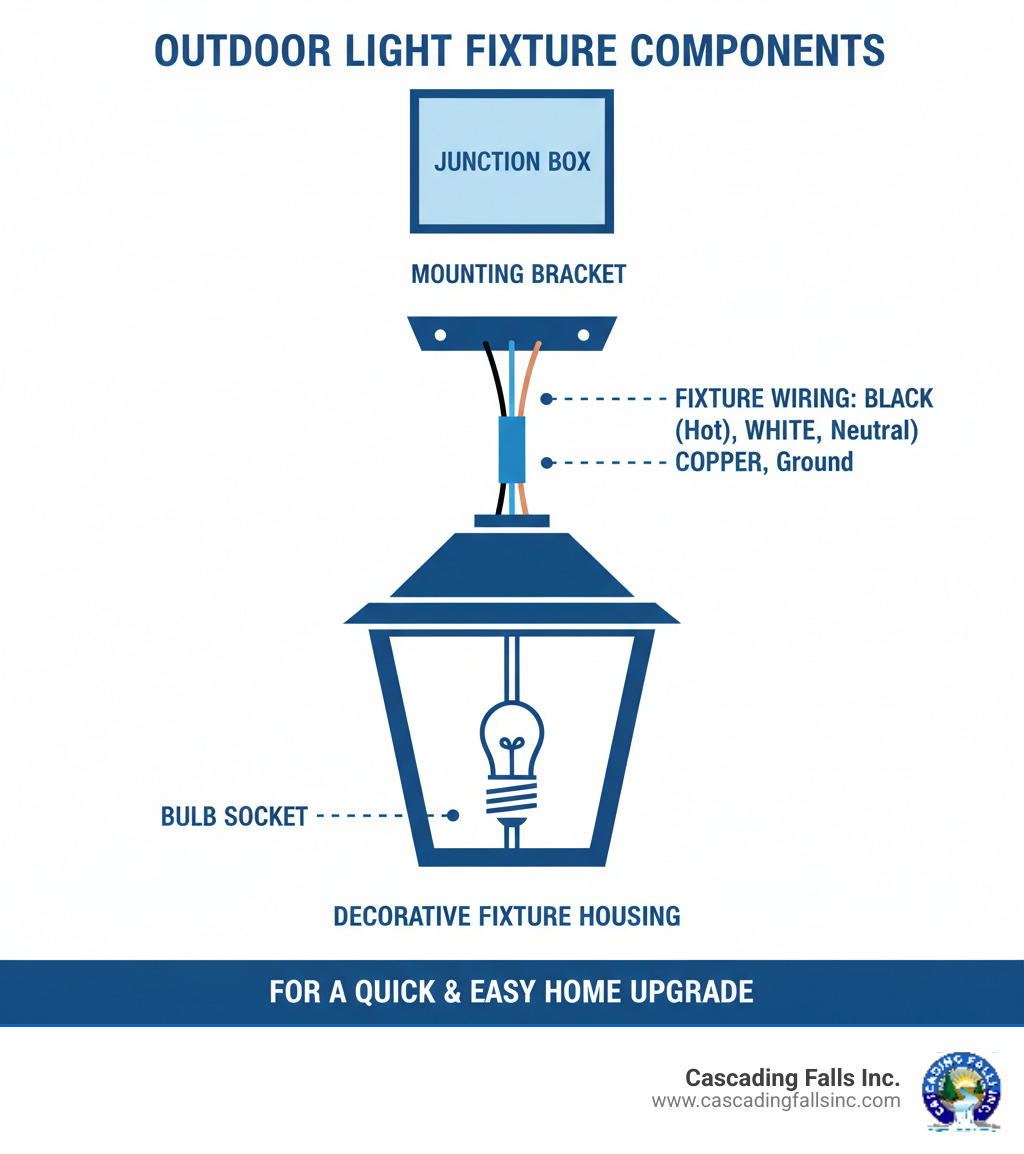
The process is straightforward because most outdoor lighting uses a standard three-wire pattern (ground, neutral, and hot), allowing you to swap fixtures without complex rewiring. The key is following proper safety precautions.
I'm David Shelly, and I've been in the construction and home improvement industry since 2005. With over 15 years of experience owning a landscape construction business and working on countless residential projects, I've replaced outdoor light fixtures on every type of exterior, from vinyl siding to stone and brick.
Gear Up: Tools, Materials, and Pre-Installation Checks
Before you start replacing outdoor light fixture, a few minutes of preparation will save you time and ensure the project goes smoothly. Gathering your tools and understanding the safety basics are the first steps to a successful installation.
Essential Tools and Materials
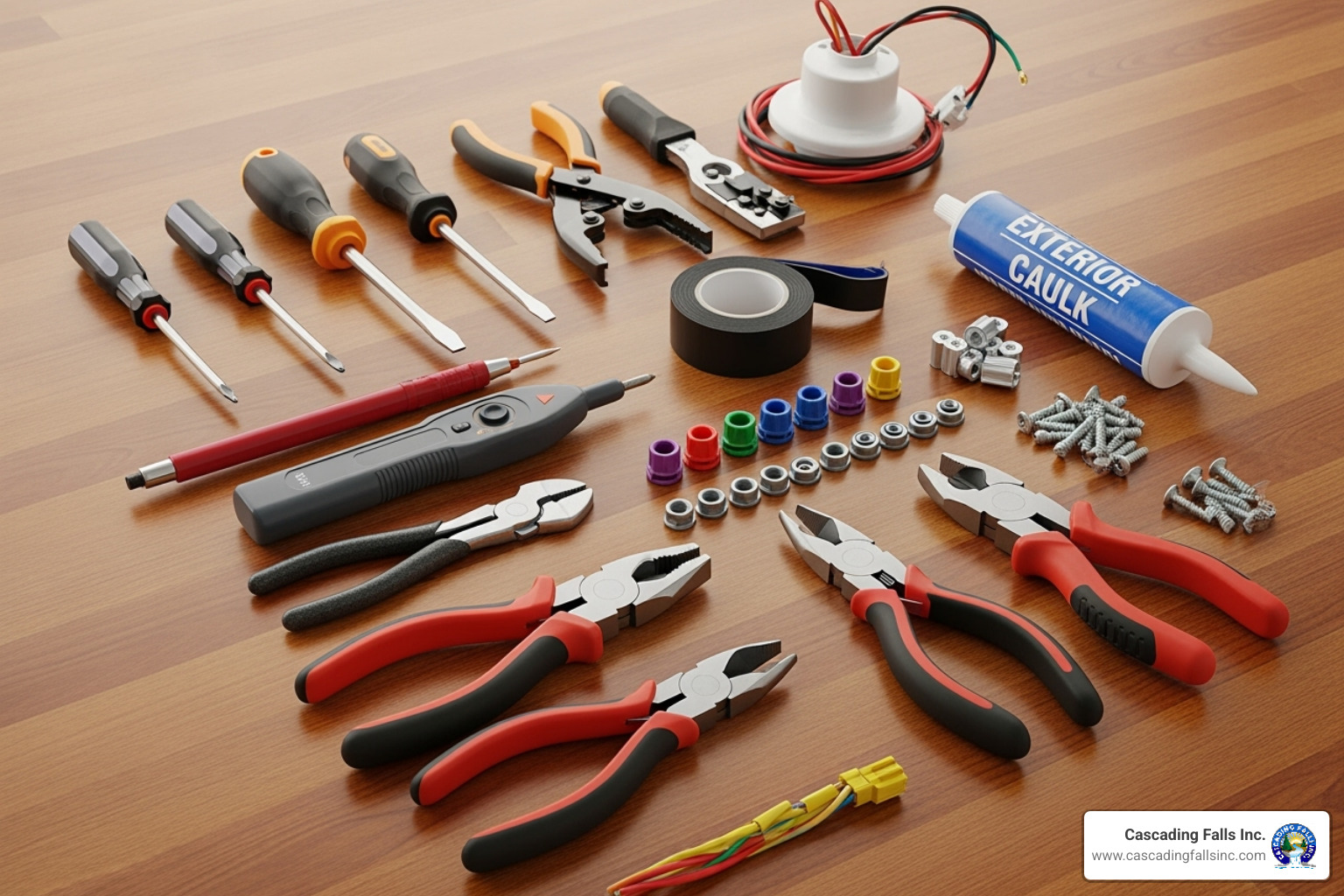
Most of what you need is likely already in your toolbox.
- Screwdrivers: Phillips and flathead. A magnetic tip is helpful for small mounting screws.
- Voltage Tester: This is a non-negotiable safety tool to confirm the power is off.
- Wire Strippers/Cutters & Pliers: For preparing and connecting wires.
- Ladder or Step Stool: Ensure it's placed on stable, level ground.
- New Light Fixture: Check that it includes mounting hardware and wire connectors (wire nuts).
- Electrical Tape: To wrap connections for extra security.
- Exterior-Grade Caulk: For weatherproofing the final installation.
- Safety Glasses: To protect your eyes from debris.
- Other potential items: A drill, wall anchors (for brick/stucco), a mounting block (for lap siding), and a flashlight.
Choosing the Right Outdoor Light Fixture
This is your chance to boost your home's curb appeal. Consider these factors:
- Style: Choose a fixture that complements your home's architecture and existing hardware.
- Size and Scale: Ensure the fixture is proportionate to the entryway and the home itself. A common rule is for the fixture to be about one-third the height of the door.
- Material and Climate Resilience: Look for fixtures rated as "wet-rated" or "damp-rated" to withstand your local climate.
- Light Output (Lumens): An entryway may need 800-1,200 lumens, while a security light needs 1,500 or more.
- Bulb Type: LED fixtures cost more upfront but save money over time due to their long lifespan (25,000-50,000 hours) and energy efficiency.
- Special Features: Dusk-to-dawn sensors and motion sensors add convenience and security.
Critical Safety Precautions
Electricity demands respect. Follow these precautions every time, with no exceptions.
- Turn Off the Power: Go to your circuit breaker panel and flip the breaker controlling the outdoor lights to the "OFF" position. If you're unsure which one it is, turn off the main breaker.
- Verify with a Voltage Tester: After exposing the wires, test them with your voltage tester to confirm the power is off. This is the most critical safety step. For more information on electrical safety, you can consult resources from the Electrical Safety Foundation International (ESFI).
- Work in Dry Conditions: Never work with electricity in the rain or on damp surfaces.
- Use Insulated Tools: Tools with rubber-coated handles and rubber-soled shoes provide an extra layer of protection.
- Inform Your Household: Let everyone know you are working on the electrical system and put a note on the breaker box.
If you feel uncomfortable at any point, call a professional. At Cascading Falls Inc., we are always ready to assist with electrical installations. Your safety is more important than any DIY savings.
The Main Event: A Step-by-Step Guide to Replacing an Outdoor Light Fixture
With your gear ready and safety checks done, it's time to tackle the replacing outdoor light fixture process. This task is less intimidating than it looks.
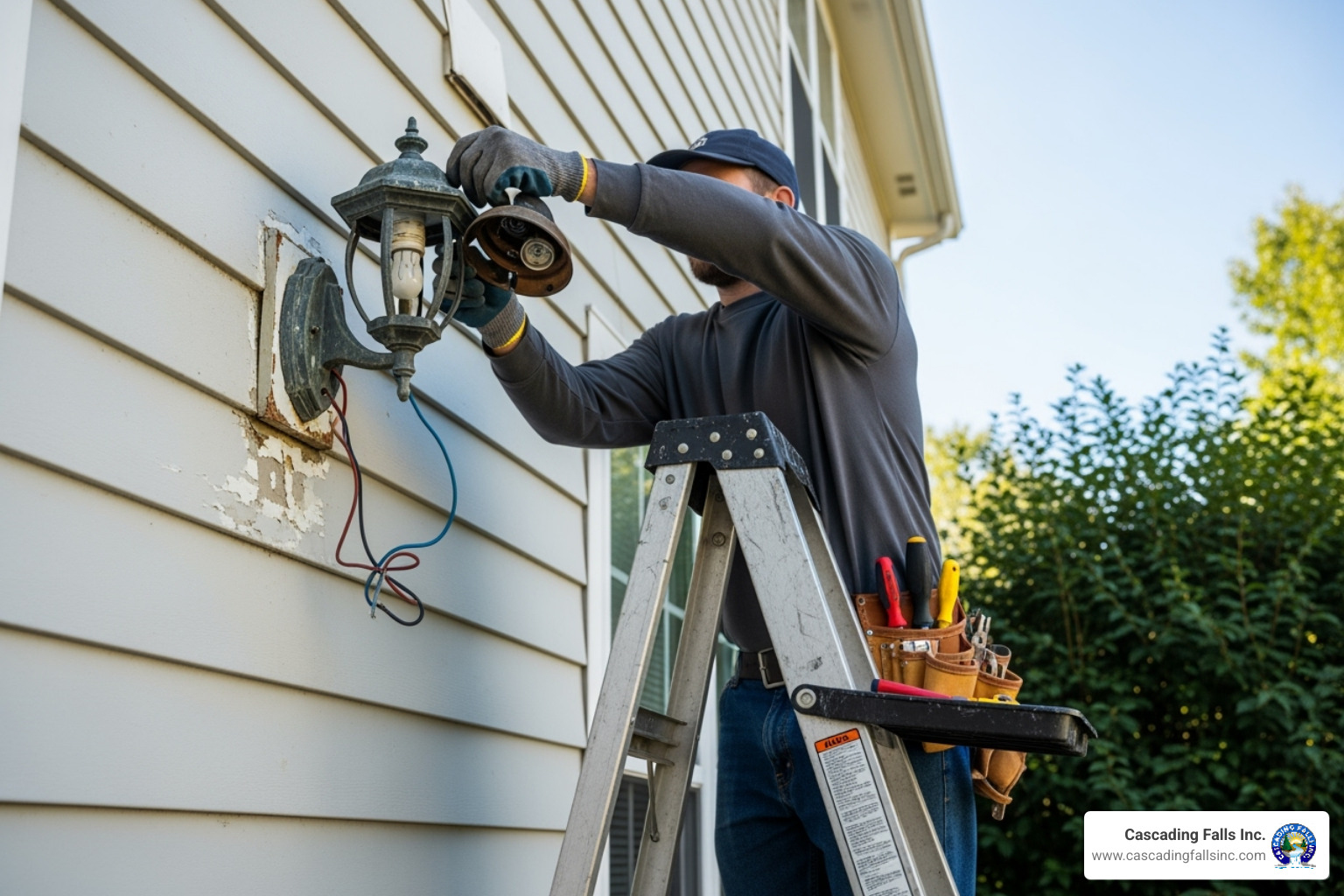
Step 1: Turn Off the Power and Remove the Old Fixture
This first step is non-negotiable for your safety.
- Shut Off Power: At your main electrical panel, find the breaker for your outdoor lights and flip it to "OFF." If you're unsure, turn off the main breaker for the whole house.
- Remove the Cover: Unscrew any decorative nuts or screws holding the old fixture's cover plate. Remove any bulbs.
- Test for Power: With the wires exposed, use your non-contact voltage tester on the black, white, and bare copper wires. If it beeps or lights up, STOP. The power is still on. Go back to the breaker panel.
- Detach the Fixture: Once you've confirmed the power is off, you can fully detach the old fixture. Take a quick photo of the wire connections for reference before you disconnect them.
Step 2: Detach Old Wiring and Install the New Mounting Bracket
Now, prepare the space for your new light.
- Disconnect Wires: Twist off the wire nuts (usually counter-clockwise) to separate the old fixture's wires from the house wires.
- Remove Old Bracket: Unscrew and remove the old mounting bracket from the electrical box in the wall. It's best to use the new bracket that came with your fixture, as it's designed for a perfect fit.
- Clean the Surface: Wipe away any dirt, old caulk, or debris from the wall where the new fixture will sit. This ensures a better seal later.
- Install New Bracket: Attach the new mounting bracket to the electrical box using the provided screws. Use a small level to ensure it's straight—a crooked bracket means a crooked fixture. If you have lap siding, you may need to install a mounting block first to create a flat surface.
Step 3: Properly Connect the Wiring for Your New Fixture
Outdoor wiring follows a standard color code, making this step straightforward.
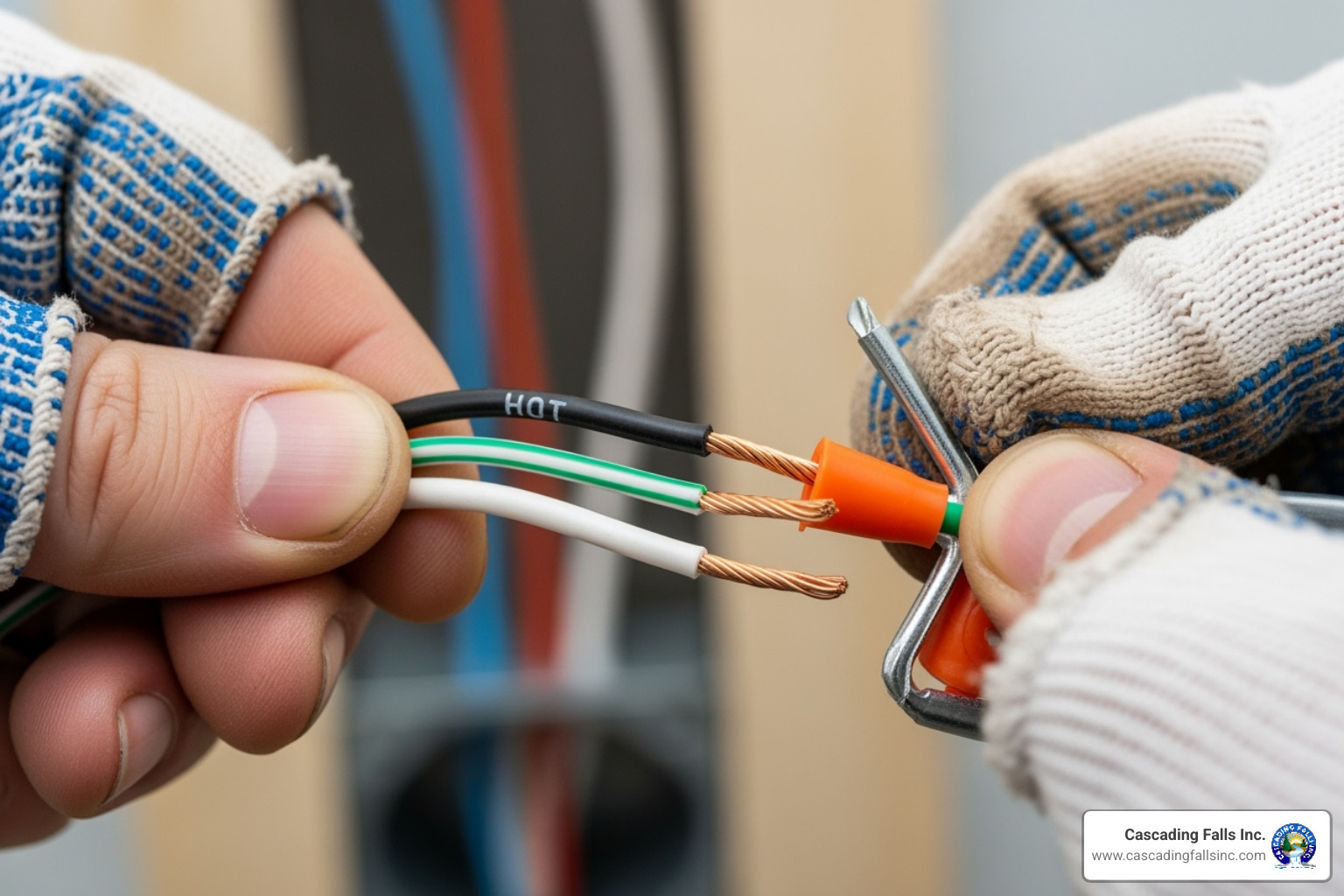
- Black wire:"Hot" wire that carries the current.
- White wire:"Neutral" wire that completes the circuit.
- Bare copper or green wire:"Ground" wire for safety.
- Connect the Ground Wire: Wrap the ground wire from the new fixture around the green ground screw on the mounting bracket and tighten it. Then, twist it together with the ground wire from the house and secure with a wire nut.
- Connect the Neutral Wire: Twist the white wire from the fixture together with the white wire from the house. Secure with a wire nut.
- Connect the Hot Wire: Twist the black wire from the fixture together with the black wire from the house. Secure with a wire nut.
Double-check that all connections are tight. You can wrap each wire nut with electrical tape for extra security.
Step 4: Mount and Secure the New Fixture
We're in the home stretch now!
- Tuck the Wires: Gently fold and push all the connected wires into the electrical box. Be careful not to pinch or strain them.
- Align the Fixture: Lift the new fixture and align its mounting holes with the screws on the mounting bracket.
- Secure the Fixture: Slide the fixture onto the screws and attach the decorative nuts or screws that came with it. Hand-tighten first, then snug them up with a screwdriver. Do not over-tighten, as this can crack the fixture housing.
- Test the Light: Install the light bulb, go back to the circuit breaker, and flip it to "ON." Turn on the light switch. Your new light should turn on! If not, don't worry; we'll cover troubleshooting later.
Pro-Level Finishing for a Durable Installation
You've installed your new light, but one crucial step remains: weatherproofing. This separates a quick fix from a professional, long-lasting installation. Without a proper seal, moisture can seep behind the fixture, leading to electrical hazards, rot, and pests. At Cascading Falls Inc., our "Whatever It Takes..." approach means we focus on these details to ensure quality work. More info about home improvement services.
How to Properly Seal Your New Fixture Against Weather
A good seal protects your home's exterior and your electrical system.
- Use the Right Caulk: Choose a high-quality, paintable, exterior-grade caulk.
- Clean the Surface: Ensure the area where the fixture meets the wall is clean and dry.
- Apply Caulk Correctly: Apply a continuous bead of caulk around the top and both sides of the fixture base.
- Leave a Weep Hole: Do not caulk the bottom edge. This small gap allows any moisture that gets behind the fixture to drain out, preventing water damage, corrosion, and mold.
We recommend inspecting the caulk seals on your exterior fixtures twice a year and touching up any cracks or gaps.
Tips for Replacing an Outdoor Light Fixture on Different Surfaces
The installation process can vary depending on your home's exterior. Here’s a quick guide for common surfaces:
- Lap Siding (Vinyl, Wood, Metal): The uneven surface makes it difficult to get a flat mount. Use a mounting block to create a level base for the fixture. This improves the look and makes sealing much easier.
- Brick: You'll need a masonry bit and a hammer drill to create holes without cracking the brick. Use wall anchors(like sleeve or lead anchors) to securely fasten the fixture, especially if it's heavy.
- Stucco: This surface can be brittle. Drill pilot holes first and use wall anchors(like toggle bolts or expansion anchors) that can grip the sheathing behind the stucco for a secure hold.
- Stone: This is the trickiest surface. Use a hammer drill with masonry bits and drill slowly and patiently to avoid cracking the stone. A mounting block or back plate can provide a flat surface and distribute the fixture's weight.
For expert advice on your specific exterior, contact Cascading Falls Inc. We have experience with all wall materials in the Roseville and Sacramento areas. You can also explore our professional landscaping and lighting services for more outdoor improvement ideas.
Common Mistakes and When to Call for Backup
Even straightforward DIY projects have potential pitfalls. Knowing what to watch for can help you avoid common mistakes when replacing outdoor light fixture. It's also important to recognize when calling a professional is the smartest and safest choice.
Common Mistakes to Avoid When Replacing an Outdoor Light Fixture
- Forgetting to Test for Power: Always use a voltage tester to confirm the power is off before touching any wires. A flipped breaker isn't enough proof.
- Over-tightening Screws: This can crack the fixture, strip screws, or damage your siding. Tighten until snug, but don't overdo it.
- Sealing the Bottom of the Fixture: Always leave the bottom edge uncaulked to create a "weep hole" for moisture to escape.
- Using Indoor-Rated Fixtures: Indoor fixtures are not built to withstand weather and can become a safety hazard. Use only "damp-rated" or "wet-rated" fixtures.
- Cutting House Wires Too Short: Leave enough wire length to make connections comfortably.
- Ignoring Corrosion: Rust or corrosion in the electrical box indicates moisture problems. Clean it out or, if it's extensive, have the box replaced.
- Using the Wrong Anchors: On brick, stucco, or stone, use anchors appropriate for the material to ensure the fixture is secure.
When It's Time to Call a Professional Electrician
At Cascading Falls Inc., we believe in empowering homeowners, but safety comes first. Call a professional if you encounter any of the following:
- You Feel Unsure: If at any point the project feels beyond your skill level, it's best to call an expert.
- Damaged or Corroded Wiring: Frayed, cracked, or melted wires require a professional assessment and repair.
- Aluminum Wiring: Homes built between 1965-1973 may have aluminum wiring, which requires special handling to prevent fire hazards.
- No Junction Box: If wires are just poking through a hole in the wall, stop immediately. This is a code violation and unsafe.
- Complex Smart-Home Wiring: Fixtures with video, audio, or advanced automation may require professional installation.
- The Light Still Doesn't Work: If you've tried all troubleshooting steps, there may be a deeper issue with your home's wiring.
- New Installation or Relocation: Running new electrical lines requires a licensed electrician to ensure it meets local codes.
Our "Whatever It Takes..." approach means we're here to help, whether you need advice or a full professional installation in the Roseville and Sacramento, California areas.
Frequently Asked Questions about Outdoor Light Fixtures
We hear the same questions from homeowners all the time when it comes to replacing outdoor light fixture. Here are the answers to the most common ones.
Can I replace an outdoor light fixture myself?
Yes, for most homeowners, this is a very manageable DIY project. With basic tools and a careful approach to safety (especially turning off the power and testing wires), you can typically complete this job in 30-45 minutes. However, always trust your gut. If you uncover damaged wiring or feel uncomfortable at any point, it's wise to call a professional electrician.
What if the new fixture doesn't turn on?
Don't panic; it's usually a simple fix. Follow these troubleshooting steps:
- Check the Basics: Is the light bulb screwed in tightly? Is it a new, working bulb? Is the wall switch on? Is the circuit breaker flipped to the "ON" position?
- Check the Connections: If the basics are covered, turn the power off at the breaker again. Carefully re-examine your wire connections. Make sure they are secure inside the wire nuts and that the colors are matched correctly (black to black, white to white).
- Call a Pro: If you've double-checked everything and it still doesn't work, the issue may be with your home's internal wiring. At this point, it's best to consult an electrician.
How long do outdoor light fixtures last?
A quality, weather-resistant outdoor fixture can last 10-20 years or more. The lifespan depends on the material quality, construction, and local climate. Regular maintenance, like cleaning the fixture and checking the caulk seal, can significantly extend its life. LED fixtures are particularly durable, with bulbs often rated for 25,000 to 50,000 hours of use, meaning they can last for over a decade with typical use.
Light Up Your Landscape with Confidence
You did it! By replacing outdoor light fixture, you've made a simple upgrade that significantly boosts your home's curb appeal and security. This 30-45 minute project is proof that you can tackle meaningful home improvements with the right preparation and a focus on safety.

You've learned how to choose a fixture, work safely with electricity, connect wires, and weatherproof your installation for long-term durability. These are valuable skills for any homeowner.
At Cascading Falls Inc., we believe in empowering homeowners like you. A well-chosen fixture adds character to your home, welcoming guests and lighting your way.
Of course, if you encounter complex wiring or a situation beyond your comfort zone, professionals are here to help. Our team serves Roseville, Sacramento, and the surrounding California areas with a "Whatever It Takes..." commitment to quality.
Ready to take your outdoor space even further? Consider how landscape lighting can highlight your garden or pathways. Explore our professional landscaping and lighting services to see how we can help bring your vision to life.