Why Driveway Gap Repair Matters for Your Property
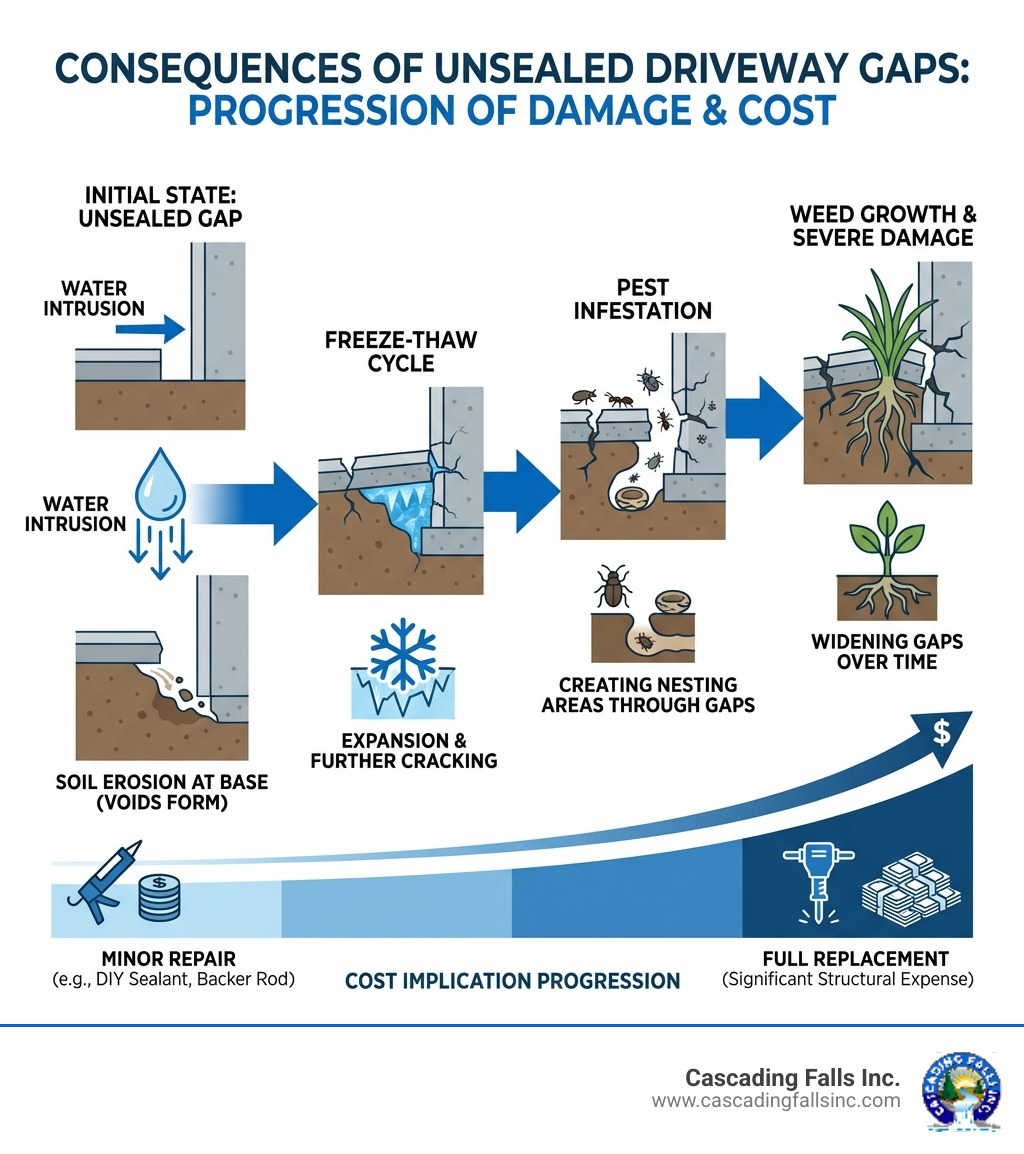
An unsealed gap between your driveway and garage is more than just an eyesore—it's a potential source of water damage, structural issues, and pest infestations. When driveways sink, water can pool, seep into the soil, and cause significant damage over time. These gaps often result from soil settlement, freeze-thaw cycles, and natural expansion and contraction.
Quick Answer for Driveway Gap Repair:
- Clean the gap thoroughly.
- Insert a foam backer rod for gaps wider than 1/4 inch.
- Apply a suitable sealant or filler.
- Allow it to cure completely.
- Call a professional for large gaps or structural damage.
Fortunately, driveway gap repair is often a simple DIY project that can prevent water intrusion, stop weed growth, deter pests, and restore your curb appeal for a fraction of the cost of a full replacement.
I'm David Shelly, and with nearly two decades of experience in construction and landscape projects since 2005, I've tackled countless driveway gap repair projects for residential and commercial clients. My hands-on expertise combines quality craftsmanship with practical solutions that stand the test of time.
Understanding the Gap: Common Causes and Why Repair is Crucial
Gaps between your driveway and adjacent structures like your garage or home's foundation are more than just cosmetic flaws. They signal underlying issues that can lead to significant damage. Understanding why these gaps form is the first step toward effective driveway gap repair.
What are the common causes of gaps between driveways and garages/foundations?
- Soil Settlement: The ground beneath your driveway can compact or erode over time, causing it to sink.
- Water Erosion: Runoff can wash away the soil supporting your driveway, weakening its base and causing sections to pull away.
- Freeze-Thaw Cycles: In regions like Sacramento and Roseville, water in cracks expands when it freezes, widening existing gaps and creating new ones.
- Foundation Shifting: Significant, growing gaps could indicate movement in your home's foundation, which requires professional inspection.
- Heavy Loads & Tree Roots: Constant vehicle traffic or aggressive tree roots can stress and crack the pavement.
- Improper Installation: A poorly compacted base or concrete that dried too quickly can lead to future settling and gap formation.
Why is it important to seal these gaps?
Ignoring driveway gaps invites problems. Sealing them is crucial for several reasons:
- Preventing Further Damage: Unsealed gaps allow water to penetrate, accelerating soil erosion and freeze-thaw damage, which leads to larger cracks and eventual structural failure.
- Stopping Water Intrusion: Sealing creates a barrier that diverts water away from your home's foundation, protecting it from moisture damage and mold.
- Deterring Pests and Weeds: Gaps are ideal entry points for insects, rodents, and weeds, which can further widen cracks.
- Improving Safety: Large gaps and uneven surfaces create tripping hazards and can damage vehicle tires.
- Maintaining Property Value: A well-maintained driveway significantly contributes to your property's curb appeal and value.
By taking proactive steps for driveway gap repair, you can protect your investment and ensure the longevity of your property.
Choosing Your Solution: A Guide to Driveway Gap Fillers
When it comes to driveway gap repair, selecting the right filler is paramount. The best choice depends on your driveway material, the size of the gap, and your local climate.
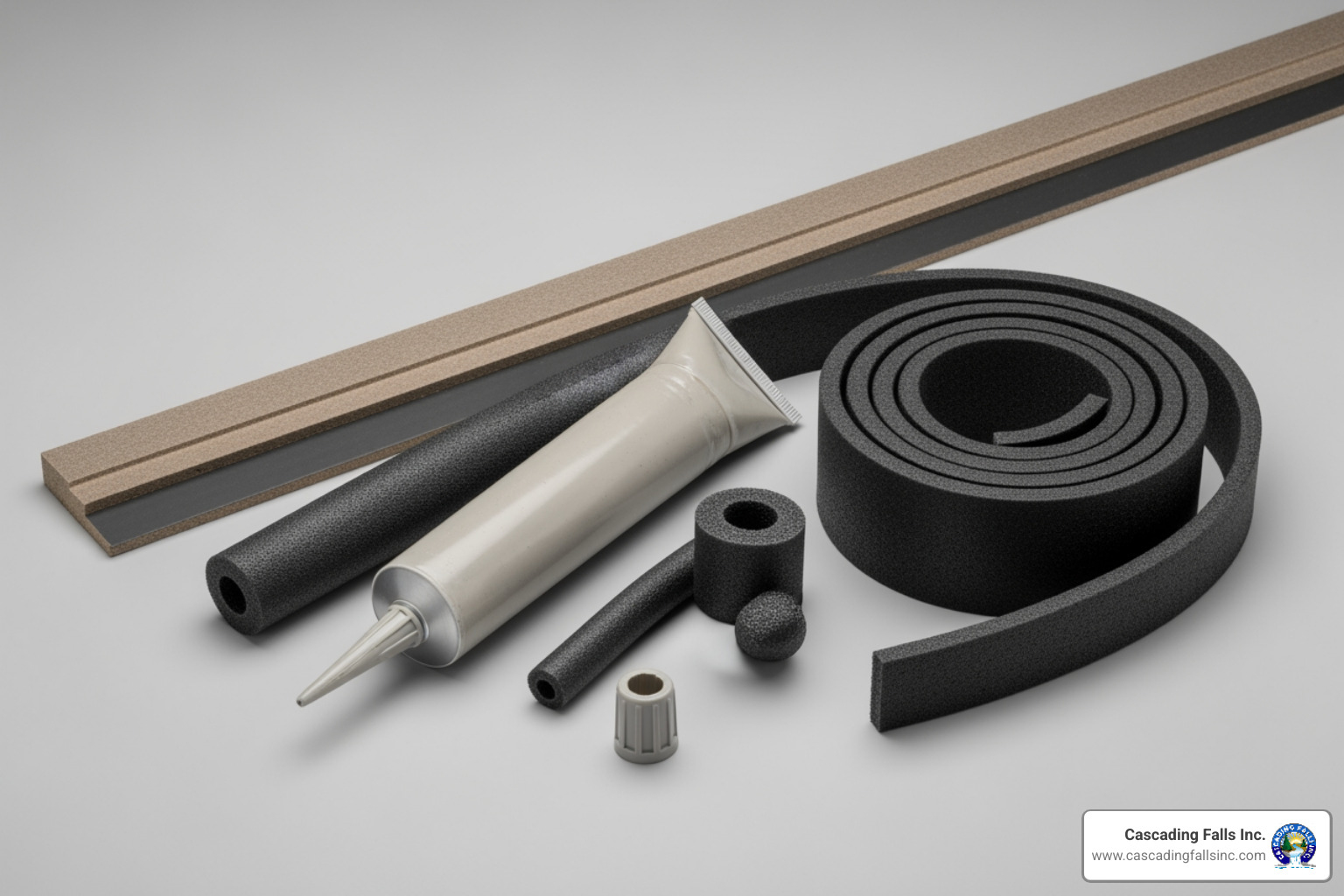
Key considerations include:
- Driveway Material: Concrete, asphalt, and pavers require different fillers.
- Gap Size: Narrow cracks need different solutions than wide expansion joints.
- Weather Resistance: The product must withstand sun, rain, and temperature shifts.
- Flexibility: Sealants must accommodate the natural expansion and contraction of your driveway.
Choosing the Right Product for Your Driveway Gap Repair
Here’s a breakdown of common products for driveway gap repair:
- Polyurethane Sealants: Highly durable, flexible, and waterproof. Self-leveling types are ideal for horizontal gaps. Popular choices include Sika Self-Leveling Sealant or Quikrete Polyurethane Sealant. Cost: ~$8-$15 per tube.
- Concrete Crack Fillers: Designed for smaller cracks in concrete. For fine surface cracks (crazing), a concrete resurfacer is a better option.
- Asphalt Fillers: For asphalt driveways, use flexible, rubberized asphalt fillers for cracks. For larger gaps, cold patch asphalt is used to rebuild the area. DAP Asphalt Filler costs around $6 per tube.
- Expansion Joint Strips: These foam or rubber strips replace deteriorated wood joints or fill large, uniform gaps. They allow for movement and prevent weed growth. Cost: ~$10 per strip.
- Backer Rods: A foam rod inserted into deep gaps before sealing. It controls sealant depth, ensures proper adhesion, and saves material. Cost: ~$4 per 20 ft.
Here’s a comparison to help you decide:
| Product Type | Best For | Gap Size | Material | Pros | Cons |
|---|---|---|---|---|---|
| Polyurethane Sealant | Concrete driveway gaps | 1/4" to 1" | Concrete | Durable, flexible, waterproof, self-leveling options. | Can be messy; requires backer rod for deep gaps. |
| Asphalt Filler | Asphalt driveway cracks | Up to 1" | Asphalt | Flexible, weather-resistant, easy to apply. | Not for large structural repairs. |
| Cold Patch Asphalt | Large asphalt holes/gaps | Over 1" | Asphalt | Good for deep repairs, durable. | Requires tamping, longer cure time. |
| Expansion Joint Strip | Uniform expansion joints | 1/2" to 2"+ | Concrete | Easy to install, neat finish, durable. | Less versatile for irregular cracks. |
| Polymeric Sand | Paver joints | Up to 4" | Pavers | Hardens to lock pavers, prevents weeds. | Can wash out if not properly sealed. |
Material-Specific Recommendations
- Concrete Gaps: Use a flexible masonry crack filler for small cracks (<1/4"). For wider gaps (1/4" to 1"), use a self-leveling polyurethane sealant with a backer rod for deep joints. For very wide joints, consider replacing old wood with new expansion joint strips. Learn more in our guide: How to Repair Cracks in a Concrete Driveway.
- Asphalt Cracks: Use a rubberized asphalt crack filler for narrow cracks. For larger gaps or potholes, use cold patch asphalt, applied and compacted in layers.
- Paver Joints: Re-sweep joints with polymeric sand, which hardens when wet to lock pavers and block weeds. For wider gaps, reset the pavers first.
The Ultimate Guide to Driveway Gap Repair
Performing driveway gap repair yourself can be a rewarding and cost-effective project. Here's our step-by-step guide to achieving a durable and waterproof seal.
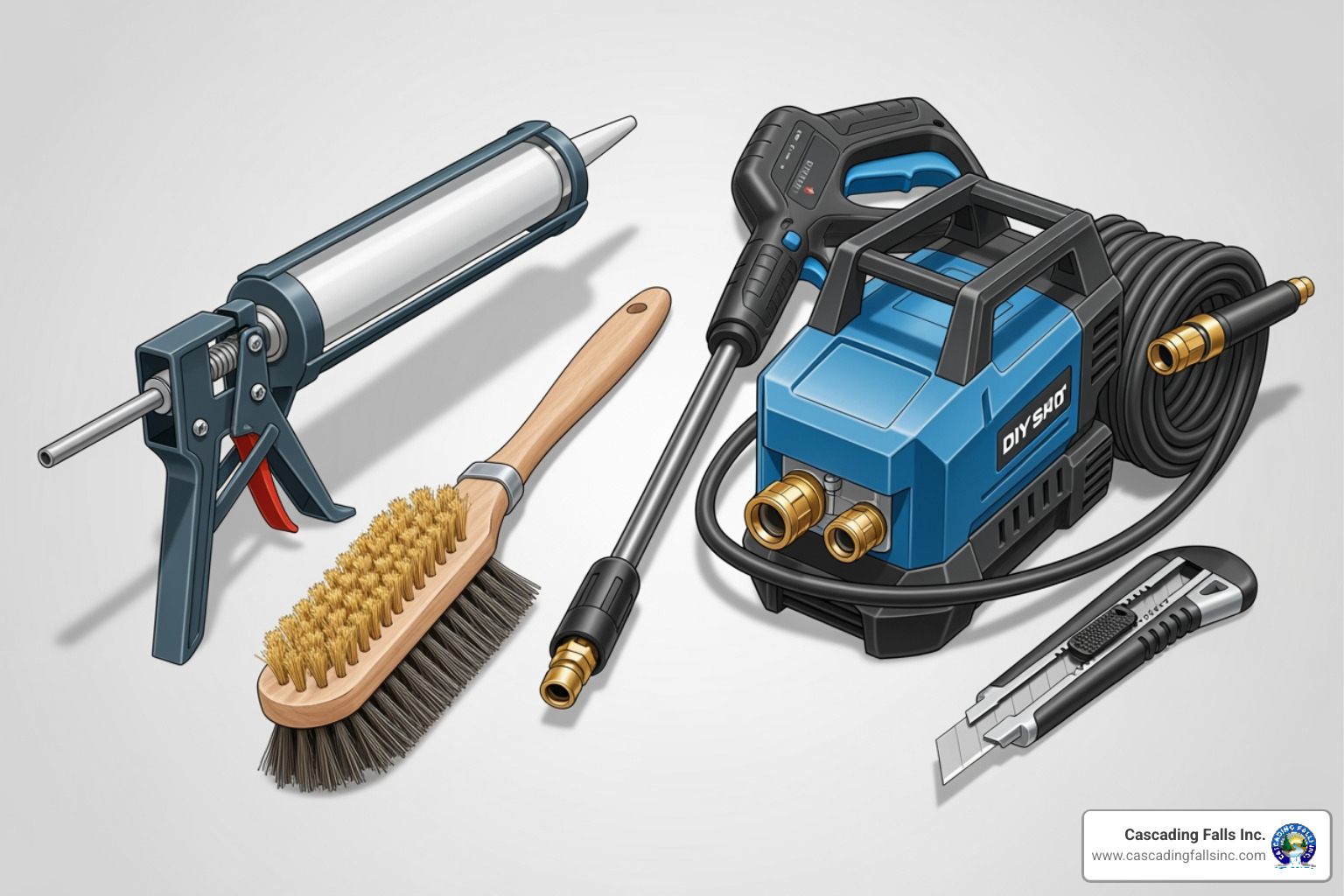
Before starting, gather your safety gear (gloves, glasses) and work in dry weather with temperatures between 50-90°F. Ensure no rain is forecast for at least 24 hours to allow for proper curing.
Step 1: Preparation is Key
Proper prep is crucial for a lasting driveway gap repair.
- Clean the Gap: Use a wire brush and screwdriver to remove all loose debris, dirt, and old sealant.
- Pressure Wash: Blast the gap with a pressure washer to remove fine particles and grime.
- Ensure it's Dry: The gap must be completely dry before applying any product. Use a leaf blower or allow it to air dry thoroughly.
Step 2: The Role of Backer Rods
If your gap is deeper than 1/4 inch, a backer rod is your best friend in driveway gap repair.
Why use a backer rod?
- Controls Sealant Depth: Creates the ideal 1:2 depth-to-width ratio for flexibility.
- Prevents Three-Sided Adhesion: Ensures the sealant only sticks to the sides, allowing it to move without tearing.
- Saves Material: Fills the void, reducing the amount of sealant needed.
Choose a backer rod slightly wider than the gap and press it in to a depth of 1/4 to 1/2 inch.
Step 3: Applying Fillers for a Lasting Driveway Gap Repair
With the gap prepped, it's time to apply the filler.
-
For Polyurethane Sealants (e.g., Sika Self-Leveling Sealant, Quikrete Polyurethane Sealant):
- Cut the cartridge tip at a 45-degree angle, slightly smaller than the gap.
- Apply a steady bead of sealant into the gap. Self-leveling types will fill the space on their own.
- Smooth non-self-leveling sealants with a putty knife.
- Allow 24-48 hours to cure before use.
-
For Asphalt Crack Fillers (e.g., DAP Asphalt Filler):
- Shake the bottle and cut the tip to match the crack width.
- Squeeze the filler into the crack, slightly overfilling it. For deep cracks, add sand first to within 1/4 inch of the surface.
- Allow to cure as per instructions.
-
For Cold Patch Asphalt (for larger sinking areas or aprons):
- Cut out the damaged area and ensure the base is compacted.
- Apply the cold patch in 1-inch layers, tamping each one down firmly.
- Overfill the final layer slightly and compact it by driving over a piece of plywood.
- Allow about 30 days for a full cure. You can find detailed steps on how to fix sinking driveways in our guide: How To Fix a Sinking Driveway.
-
For Expansion Joint Strips:
- Clean the old joint thoroughly.
- Cut the new strip to length and press it firmly into the gap.
Common Mistakes to Avoid
- Improper Cleaning: The most common cause of repair failure.
- Skipping Backer Rods: Leads to sealant failure in deep cracks.
- Incorrect Filling: Overfilling creates a bump; underfilling leaves the joint vulnerable.
- Applying in Poor Weather: Cold, heat, or rain will compromise the cure.
- Ignoring Instructions: Always follow the manufacturer's directions.
- Using Sand as a Base for Caulk: Sand can wash out, causing the sealant to sag and fail.
- Not Anchoring Backer Rod with Self-Leveling Sealant: Ensure the rod is snug so it doesn't float up in self-leveling sealant.
Beyond the Basics: Costs, Durability, and When to Call a Pro
Understanding the financial implications, expected lifespan of repairs, and knowing when to seek professional assistance are crucial aspects of driveway gap repair.
What are the costs associated with different driveway gap repair methods?
- DIY Costs:
A typical DIY repair can cost around $250 for materials like sealant, backer rods, or cold patch asphalt.
- Polyurethane Sealants: Approximately $8-$15 per 10 oz. tube.
- Asphalt Filler: Around $6 per 10 oz. tube.
- Backer Rod: Approximately $4 per 20 ft.
- Expansion Joint Strip: Approximately $10 per strip.
- Professional Costs: For extensive damage, professional repair is recommended. A new asphalt apron can cost $1,000+, with concrete work often being more. Foundation-related repairs will be significantly higher.
How long do driveway gap repairs typically last, and what maintenance is involved?
- Longevity: A well-executed repair with quality polyurethane sealant can last 5 to 10 years. Products like Trim-A-Slab expansion joint strips are even guaranteed for up to 10 years.
- Maintenance: To maximize the life of your repair, inspect your driveway annually, keep it clean, and ensure proper drainage to prevent water from pooling.
Are there any DIY-friendly solutions for larger gaps, or when should I consider professional help? While gaps up to 2 inches can often be a DIY job, it's time to call in the experts at Cascading Falls Inc. when you see:
- Large or Widening Gaps: Gaps over 2 inches or those that are actively growing.
- Uneven Slabs: One side of the crack is higher than the other, indicating a shifting base.
- Significant Sinking: Sections of the driveway have sunk more than a few inches.
- Foundation Problems: Cracks are near your home's foundation and appear to be related to structural movement.
If you're unsure or the job seems too big, professional help ensures it's done right. For extensive damage or underlying structural issues, contact Cascading Falls Inc. for our expert Concrete Services and Landscaping Services to address the root cause.
Frequently Asked Questions about Driveway Gap Repair
We get a lot of questions about driveway gap repair. Here are some of the most common ones we hear from homeowners in Roseville and Sacramento.
How long does driveway gap sealant last?
The lifespan of driveway gap sealant varies, but generally, high-quality polyurethane sealants can last anywhere from 5 to 10 years. Durability depends on the product, proper application, and environmental factors like UV exposure and freeze-thaw cycles. Regular maintenance will help the repair last.
Can I repair a 2-inch wide driveway gap myself?
Repairing a 2-inch wide driveway gap yourself is possible, but it requires care. For gaps this wide:
- Backer Rod is Essential: It controls sealant depth, prevents three-sided adhesion, and saves material. Choose a backer rod slightly larger than 2 inches to ensure a snug fit.
- Consider Expansion Joint Strips: These are an excellent alternative to liquid sealants for wide, uniform gaps.
- When to Call a Pro: If the 2-inch gap is very long, deep, or appears to be growing, or if there's significant vertical displacement, it might indicate a more serious underlying issue. In such cases, consulting with a professional like Cascading Falls Inc. is advisable.
What is the best temperature to apply driveway sealant?
The ideal temperature range for applying most driveway sealants is between 50°F (10°C) and 90°F (32°C).
- Curing Process: Sealants cure best within this moderate temperature range. Extreme heat or cold can cause poor adhesion or cracking.
- Weather: Avoid applying sealants if rain is expected within 24 hours.
- Product Specifications: Always check the manufacturer's recommendations on the product label, as ideal temperatures can vary.
Your Partner in Perfect Pavement
We've covered why driveway gap repair is essential, from preventing water damage to boosting curb appeal. Sealing gaps protects your property's value and structural integrity.
While many repairs are manageable DIY projects, some jobs require an expert. For extensive damage, significantly large or growing gaps, or if you simply prefer professional results in the Roseville and Sacramento areas, Cascading Falls Inc. is here to help. Our commitment to quality and craftsmanship means we approach every project with a "Whatever It Takes..." attitude.
Don't let small gaps become big problems. Protect your investment and improve your curb appeal. Contact Us today for a consultation on your Concrete Services needs, and let us help you seal the deal on a beautiful, durable driveway.