Why Professional Landscape Design is Your Key to Changing Outdoor Spaces
Professional landscape design transforms ordinary outdoor spaces into valuable assets that improve property value, create lasting impressions, and solve common property challenges. Here's what professional landscape designers offer:
- Complete design process from initial consultation to detailed blueprints
- Cost range of $2,000-$8,000 for professional design plans
- Property value increase following the 10% rule (spend 10% of home value on landscaping)
- Problem-solving expertise for drainage, erosion, and space limitations
- 3D visualization to see your project before construction begins
- Plant and material selection suited to your climate and maintenance preferences
Whether you're dealing with a small residential yard or a large commercial property, the right design partner makes all the difference. As one industry expert puts it: "A solid design plan is key before starting any landscape project" - it prevents costly mistakes and ensures every element flows together cohesively.
The challenge lies in finding the right professional who understands your vision, budget, and long-term goals. With over 130,000 landscape design professionals available, knowing what qualifications to look for and which type of designer fits your needs becomes crucial.
I'm David Shelly, and I've spent 15 years owning and operating a successful landscape construction business, combining hands-on expertise in design, project management, and installation. My experience in professional landscape design has taught me that the best outcomes happen when property owners understand the process and choose the right design partner from the start.
The ROI of a Well-Designed Landscape
Is professional landscape design worth the investment? Absolutely. A well-designed landscape delivers returns that go far beyond aesthetics, including increased property value, improved brand image, long-term cost savings, improved functionality, and even employee wellness for business properties.
Homeowners often follow the 10% rule, investing about 10% of their home's value into landscaping. This isn't just tradition; it's smart financial planning. When done right, this investment pays back through higher property values, reduced maintenance costs, and spaces that work for how you live or run your business.
Maximizing Your Property's Value and Appeal
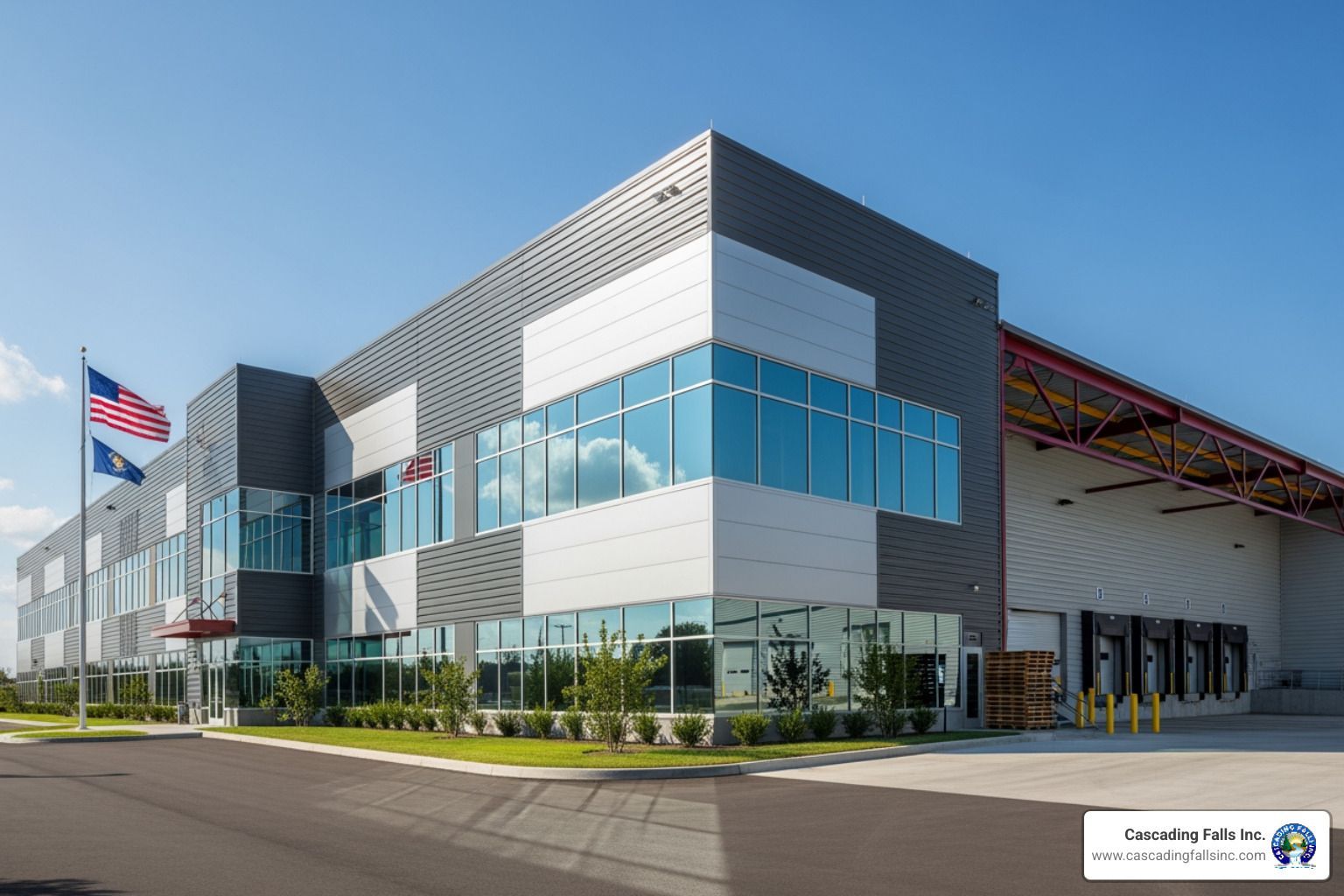
The first thing people notice is your property's exterior. Whether you're a homeowner or a business, your landscape works 24/7 to represent you. First impressions matter, and a professionally designed landscape creates cohesive aesthetics that tell visitors they're somewhere special. For businesses, this translates into attracting high-value clients and creating a welcoming environment.
A professional landscape design ensures every element works together seamlessly. Your hardscapes, plantings, and outdoor features create an integrated extension of your indoor space. This unified approach is what truly differentiates you from competitors and creates lasting value.
At Cascading Falls Inc., we've seen how the right design transforms properties. Our quality-first approach ensures every detail contributes to your property's overall appeal and functionality.
The Financial Sense Behind Professional Landscape Design
Professional landscape design plans typically cost between $2,000 and $8,000. Landscaping without a professional plan is like building a house without blueprints—a recipe for expensive mistakes. A detailed design helps you avoid costly installation errors that can easily exceed the design fee, such as fixing drainage problems or replacing unsuitable plants.
Smart design also enables phased project implementation, letting you tackle your project in stages that fit your budget while ensuring each phase works toward the complete vision. The long-term savings are significant. Professional designs incorporate water conservation strategies through efficient irrigation and appropriate plant selection, slashing utility bills. Proper drainage and erosion control prevent expensive foundation damage, and choosing the right plants and materials leads to reduced long-term maintenance costs. That initial design investment quickly proves its worth.
The Professional Landscape Design Process: From Vision to Blueprint
Creating your dream outdoor space is a thoughtful, step-by-step process. Think of professional landscape design as creating a blueprint for your yard, ensuring a solid foundation for construction and a result that's uniquely yours.
The beauty of working with professionals is how they guide you through each phase, from the first conversation to the final detailed plans used for installation.
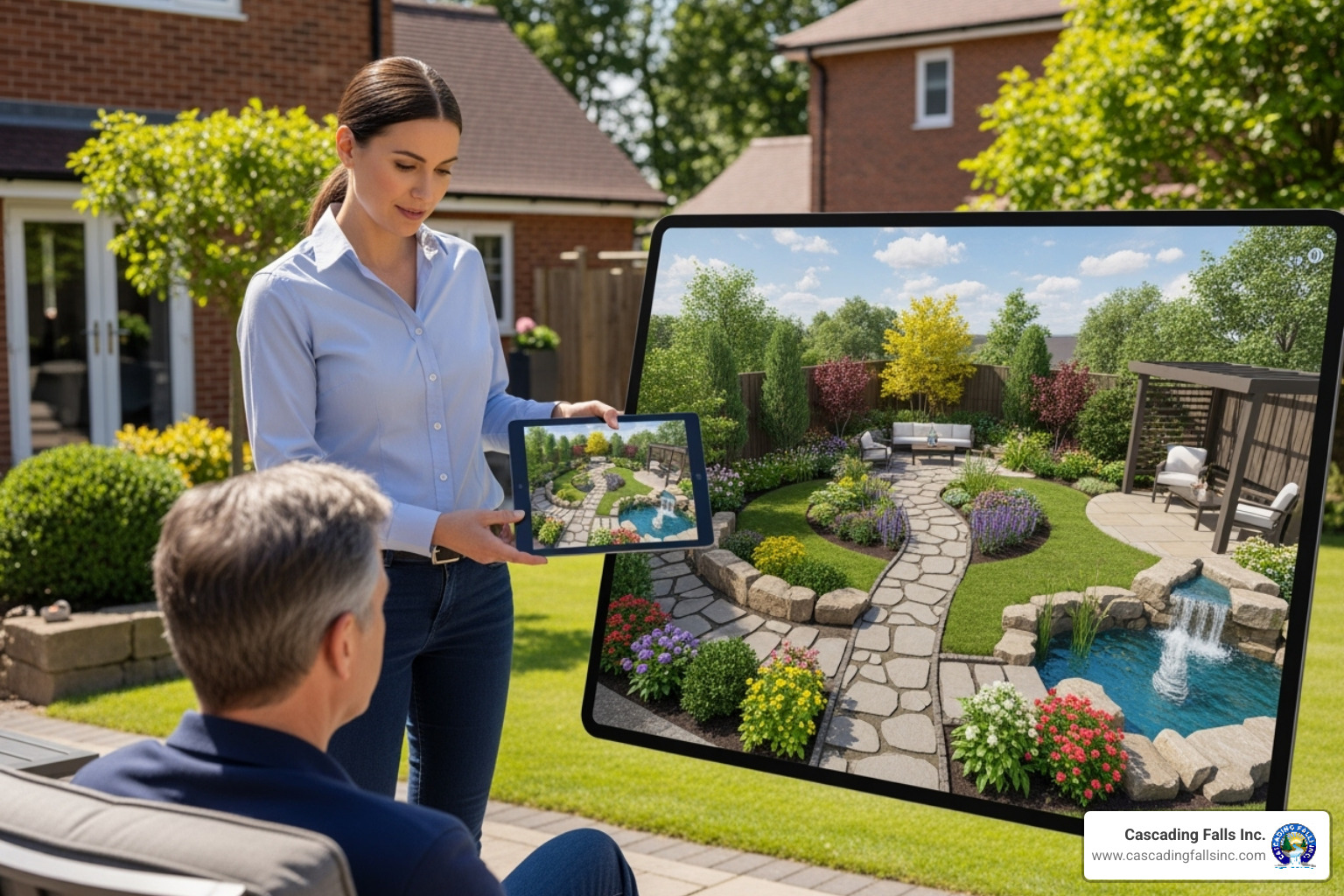
Step 1: Consultation and Site Analysis
Everything starts with an initial consultation where we listen to your goals, lifestyle, budget, and how you use your outdoor space. Great design also requires understanding the property's reality through site analysis. We walk the property, taking measurements and noting existing features. We analyze sun and shade patterns, conduct soil testing to see what will grow well, and perform a drainage assessment to prevent future problems. This groundwork ensures your new landscape will thrive.
Step 2: Conceptualization and Modern Visualization
Next, we bring your vision to life. We explore design styles —like Modern, Traditional, Xeriscape, or Naturalistic —that match your home and personality. Designers often start with bubble diagrams to map out activity zones like dining or play areas.
This is where technology gets exciting. Using 3D rendering, we create realistic images and virtual walkthroughs of your future landscape. You can see exactly how everything will look, from the patio at sunset to whether a tree blocks a view. This process eliminates surprises, allowing us to experiment with material samples and layouts until everything is perfect. For more inspiration, you can explore our project blog for ideas.
Step 3: The Final Master Plan and Blueprint
With your feedback, we create the comprehensive master plan —the detailed roadmap for construction. This includes detailed construction drawings for patios and walkways, specifying every measurement and material. The planting plan lists exact species, sizes, and quantities to ensure each plant thrives. Hardscape specifications detail all built structures, while the lighting plan ensures your landscape is stunning and safe day and night. Finally, the irrigation layout is designed to conserve water and keep your investment healthy. This master plan guarantees every element works together. When structural work is involved, our integrated concrete services ensure seamless coordination.
A Designer's Expertise: Crafting Functional and Sustainable Spaces
The magic of professional landscape design goes beyond aesthetics. A designer is an artist, engineer, and problem-solver, bringing expert knowledge of plants, materials, and environmental challenges to turn your vision into a functional reality. Their expertise is invaluable when facing a sloped yard, poor drainage, or an awkward corner where nothing seems to grow.
Tailoring Spaces to Your Business and Lifestyle Needs
We don't believe in cookie-cutter solutions; your outdoor space should reflect how you live and work. For businesses, we create welcoming entryways, serene employee retreats, or outdoor entertainment spaces. For homeowners, we design functional patios, cozy fire pits, and peaceful water features. We plan all aspects— hardscapes, lawns, and gardens —to work together seamlessly. Integrating landscape lighting, gazebos, and outdoor kitchens ensures every element serves a purpose.
Solving Common Property Challenges with Smart Design
Every property has quirks, from swampy yards and steep slopes to privacy issues. These challenges are what professional designers love to tackle. Drainage solutions are a specialty; a proper drainage system prevents flooding and protects your home's foundation. For slopes, retaining walls provide erosion control while creating beautiful, usable terraced spaces. We can create privacy with screening plants, which also offer noise reduction. We also design safe pathways and accessibility features to make your space welcoming for everyone.
The Growing Role of Sustainability in Modern Design
Sustainability is good for the planet and your wallet. Modern professional landscape design uses practices that work with nature, creating beautiful, low-maintenance spaces. Native plant integration is a key approach, as these plants require less water and care while supporting local wildlife. Water-wise irrigation systems, like drip irrigation, reduce waste and lower water bills. We also design rain gardens to manage stormwater and use permeable pavers that allow water to soak into the ground naturally. Our designers select plants and materials that match your climate and maintenance preferences, ensuring your landscape stays beautiful with less work. For more information, check out the Healthy Pots, Healthy Planet initiative. The goal is a stunning landscape that thrives for years with minimal input.
Choosing Your Design Partner: Qualifications and Key Roles
Finding the right professional for your landscape project is crucial. Just as you wouldn't trust your home's foundation to an amateur, your professional landscape design deserves someone with the right credentials and experience.
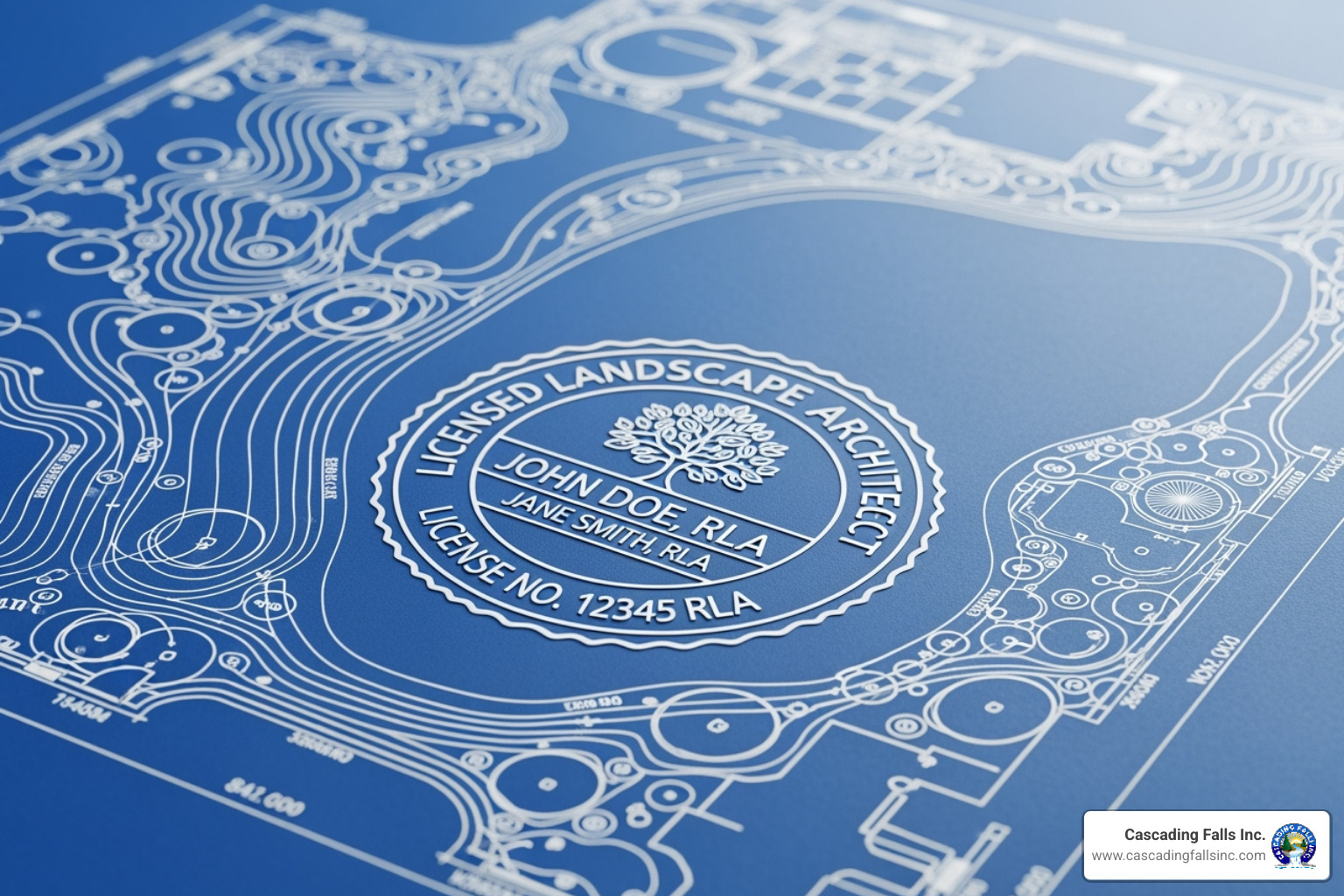
The landscape design world has talented professionals, but they aren't all the same. Understanding the differences between them will help you choose the right partner for your project and budget.
Landscape Architect vs. Landscape Designer: Which Pro Do You Need?
People often use "landscape architect" and "landscape designer" interchangeably, but they are distinct professions with different training, licensing, and expertise.
| Feature | Landscape Architect | Landscape Designer |
|---|---|---|
| Education | Typically a bachelor's or master's degree in Landscape Architecture from an accredited program. | Varies: may have degrees in horticulture, design, or self-taught with experience. |
| Licensing | Licensed by the state/province, requiring extensive education, experience, and exams. Regulatory bodies like the BCSLA uphold public health, safety, and welfare. | Generally not licensed, though some may have certifications from professional associations. |
| Scope of Work | Broad, often involves large-scale, complex projects like public parks, urban planning, infrastructure, and commercial developments. Can also do residential. | Primarily focuses on residential gardens, smaller commercial properties, and aesthetic design. |
| Technical Skills | Strong in site analysis, grading, drainage, structural engineering, and complex environmental systems. | Strong in plant knowledge, aesthetic principles, and garden composition. |
| Legal Authority | Can stamp and approve plans for construction permits, especially for projects impacting public safety or infrastructure. | Typically cannot stamp plans; may need to collaborate with a landscape architect or engineer for certain projects. |
Landscape architects have completed rigorous education and passed state licensing exams, as detailed by bodies like the BCSLA regulatory body information. They handle complex grading, drainage, and structural elements. Landscape designers are often the artists and plant experts, focusing on aesthetics and horticulture for residential projects.
When should you hire each? Hire a landscape architect for projects involving significant site changes, complex engineering, or permits. For beautiful residential gardens and aesthetic improvements without major structural work, a talented landscape designer is perfect.
What Qualifications to Look For in a Professional
Regardless of which professional you choose, look for these qualities:
Professional certification indicates commitment and skill. The Association of Professional Landscape Designers (APLD) certification is a gold standard. The CPLD designation requires a peer-reviewed portfolio of built projects. Learn more about APLD professional certification to see why it matters.
A portfolio of built projects shows their capabilities. Look for projects similar to yours in scope and style, and check the quality of the construction.
Strong communication skills are essential. A good designer listens, asks thoughtful questions, and explains concepts clearly.
Client testimonials and references provide real insight. Pay attention to how they handle challenges and communicate throughout a project.
Understanding of local conditions is crucial. Your designer must know California's climate, local codes, and appropriate plants, while also considering practical maintenance considerations.
Frequently Asked Questions about Professional Landscape Design
We know that diving into a professional landscape design project can feel overwhelming. After 15 years in the business, here are the answers to the questions we hear most often.
How much does a professional landscape design cost?
A professional design plan typically costs between $2,000 and $8,000, depending on the property's size and complexity. The total project cost often follows the 10% rule: spending about 10% of your property's value on landscaping. For a $500,000 home, that's a $50,000 project. The design fee is a small price to pay for insurance against costly mistakes. Without a solid plan, homeowners can waste thousands. A professional plan saves you money by getting everything right the first time.
How long does the design process take?
Patience pays off. A simple design might take a few weeks, while a complex project with challenging terrain can take several months from consultation to final blueprint. The timeline depends on site complexity and how quickly you provide feedback. Rushing the design process often leads to problems during construction. Quality takes time, and we keep you informed every step of the way.
Can a professional design work for a small or difficult property?
Absolutely. Some of our most creative work happens on the trickiest properties. Small spaces are where professionals really shine, using techniques like vertical gardening and multi-functional features to maximize every square foot. Difficult sites become opportunities with the right expertise. Poor drainage, awkward shapes, and tiny yards can all be transformed into outdoor spaces owners love. Professionals excel at problem-solving, seeing solutions where others see obstacles.
Conclusion: Your Blueprint for a Lasting Impression
Professional landscape design is more than just aesthetics; it's one of the smartest investments you can make in your property. It delivers improved property value, better functionality, and a space that brings genuine happiness.
The process, from initial consultation to detailed blueprints, creates a cohesive vision where every element works together. No more random plantings or scattered hardscaping—just a thoughtfully planned outdoor space.
The long-term value is what truly sets professional design apart from a DIY approach. A qualified designer understands how plants grow, how to solve drainage problems before they become expensive headaches, and how to create spaces that fit your lifestyle.
This strategic investment pays dividends for years, whether through increased property value, water savings from smart irrigation, or the simple joy of a backyard that feels like a daily vacation.
At Cascading Falls Inc., our "Whatever It Takes..." approach means we're committed to seeing your vision through. We believe that a professional plan ensures your outdoor space is not just an expense, but a valuable, functional, and beautiful asset for years to come.
Your outdoor space is an extension of your home and life. It deserves thoughtful planning and expert execution. When you invest in professional design, you're investing in your daily happiness and your property's future.
Ready to transform your property? Explore our professional Landscaping Services today.